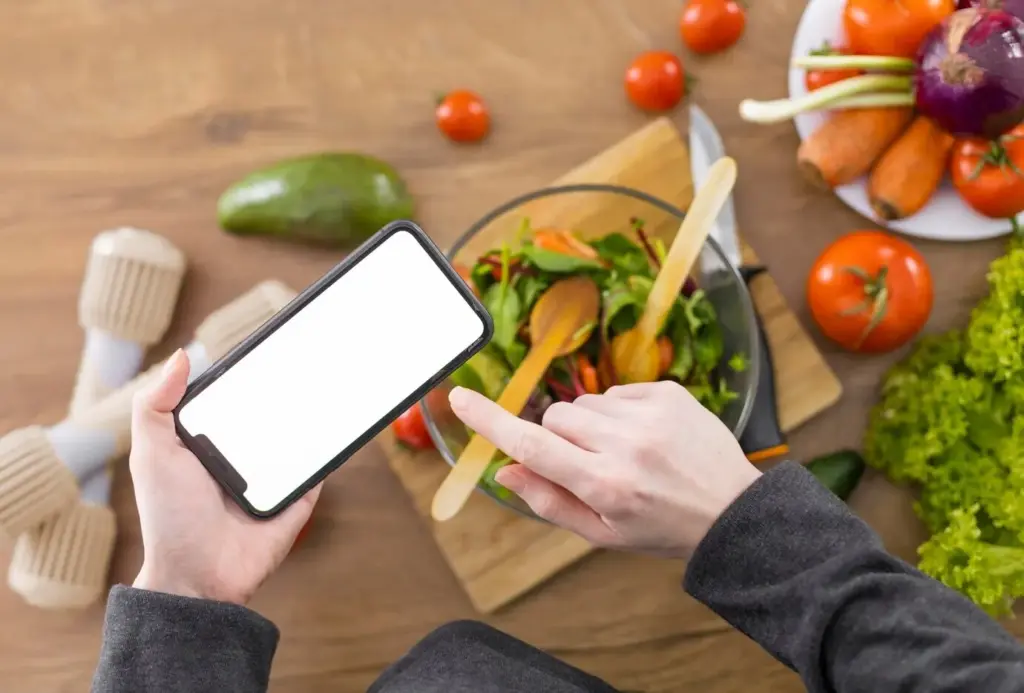
Small Changes, Healthier Plates

Today we explore School Lunchroom Nudges to Improve Student Nutrition, turning subtle design choices into everyday wins. From eye-level fruit to playful names and supportive staff prompts, we’ll share evidence, stories, and practical steps any cafeteria can try tomorrow, inviting you to comment, subscribe, and bring your community’s creativity into the lunch line.

Choice Architecture That Kids Actually Notice

When the first thing a student sees is crisp fruit shimmering under good lighting, choices shift without lectures or pressure. Thoughtful placement, gentle defaults, and engaging naming cues tap curiosity and habit, helping students feel independent while naturally drifting toward better options that taste great and look inviting during the busy lunch rush.

The Power of First Look

Cafeteria journeys begin with a glance. If colorful produce greets students before anything else, it gets considered, discussed, and often chosen. A bright bowl near the register, a clear tray at the entrance, and simple, honest visibility make healthy options feel normal, familiar, and convenient, guiding decisions without shame, lectures, or complicated rules.

Names That Spark Curiosity

Creative labels transform hesitation into interest. Calling steamed broccoli “dinosaur trees” or oatmeal “cozy morning oats” invites a taste without forcing a decision. Playful language reduces anxiety around unfamiliar foods, encourages peer conversation, and lets students imagine flavors before biting, building confidence one chuckle at a time while keeping the menu transparent and genuine.

Designing the Line for Flow and Better Picks
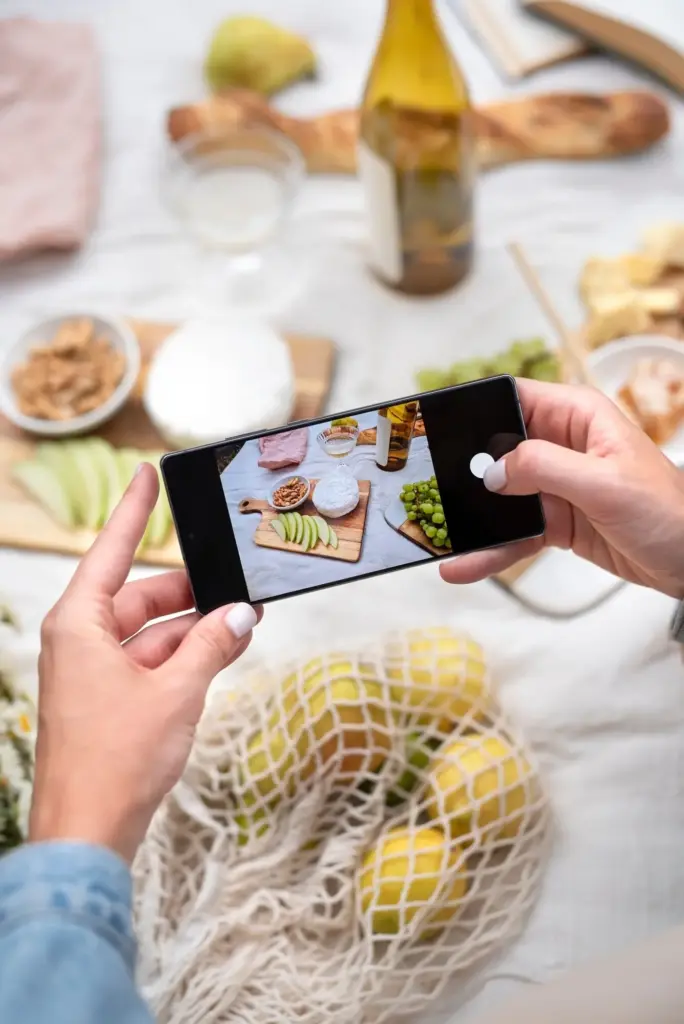
The order in which options appear can make or break good intentions. When wholesome choices lead the line and treats arrive later, hunger meets quality first. Lighting, reach, and clear signage reduce confusion, shorten decision time, support staff, and turn the lunch line into a calm path that naturally rewards nutritious selections.

Healthy First, Temptations Later

Placing vegetables, lean proteins, and whole grains at the start of the line leverages genuine hunger. Students plate substantial foods before encountering dessert or salty sides. This simple choreography matches appetites with nourishment, lessening impulse grabs and helping portions look balanced without rigid restrictions or long explanations during busy midday service.

Visibility, Lighting, and Reach

What is easy to see and grab becomes the easy decision. Bright lighting on fruit, clear containers, and shelves at child-friendly height turn healthy options into obvious choices. Conversely, placing less nutritious items slightly out of immediate reach slows impulse decisions, giving students a moment to think and choose with confidence.

Student Voice and Ownership

When students help shape names, displays, and tasting events, they defend what they create. Ownership increases trust, lowers skepticism, and spreads enthusiasm across grades. Involving student councils, clubs, and classroom projects brings authentic feedback, improves acceptance, and transforms the cafeteria into a space where curiosity, pride, and healthy exploration naturally grow together.

Tastings That Build Familiarity

Small, low-pressure tastings introduce new flavors without commitment. Offering a bite-sized sample with a friendly description can replace uncertainty with excitement. Repeated exposure matters; after a few visits, students recognize textures, sauces, and seasonings, and they feel confident choosing full portions, especially when peers share honest reactions and celebratory high-fives nearby.

Ambassadors and Peer Influence

Student ambassadors wearing bright badges and sharing genuine experiences can shift social norms quickly. Kids listen to kids. When ambassadors explain why they like roasted carrots or how yogurt parfaits keep energy steady, their words sound real, not scripted. That credibility nudges curiosity, making healthy choices feel cool, normal, and proudly student-driven.

Feedback Loops That Matter

Suggestion jars, quick stickers, and class polls empower students to shape menus and displays. When staff honor ideas—renaming a salad, adjusting spice, or rotating fruits—students notice. Visible follow-through builds trust, reduces waste, and strengthens participation, creating a lively conversation where healthier picks reflect authentic preferences rather than distant, top-down decisions.

Low-Cost Changes, Real-World Results
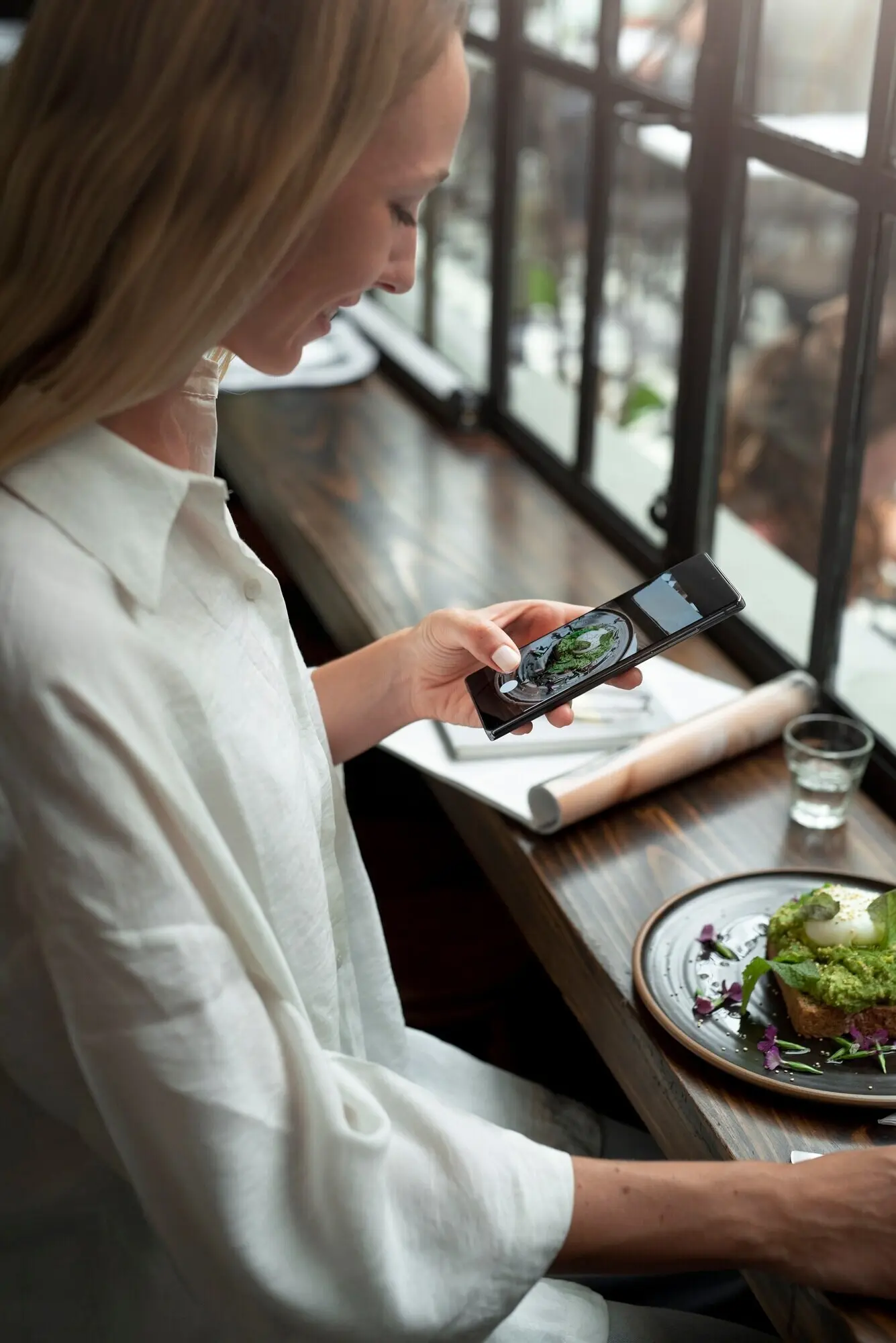
Not every cafeteria can buy new equipment, but many can rearrange, relabel, and re-light. Everyday items—clear bowls, handwritten cards, repositioned trays, and rotating signage—create meaningful improvements. Stories from diverse schools show that creativity, culture, and staff collaboration stretch budgets while still inspiring students to discover satisfying, nourishing combinations they’ll happily choose again.
A small rural school moved fruit from a dim corner to a sunlit spot near the entrance and introduced sliced options during peak times. Staff offered quick samples on Fridays. Within weeks, students asked for their favorites by name, and leftovers shrank, proving thoughtful placement can outperform expensive, complicated overhauls with surprising consistency.
In a crowded city lunchroom, water and low-fat milk were placed in the front cooler, with sweetened varieties placed slightly lower. Student leaders designed fun, factual labels about hydration and energy. The line moved just as fast, yet more students reached for the front-row choices, reporting steadier concentration during afternoon classes and activities.
An elementary art club created bold, friendly posters that highlighted crunchy textures, bright colors, and funny veggie characters. Caregivers noticed the same drawings appearing in lunchboxes and conversations at home. The playful continuity between school and family life helped new foods feel familiar, reducing resistance while celebrating student creativity beyond the cafeteria walls.

Data, Measurement, and Iteration

Sustained improvement grows from small experiments tracked over time. Counting selections, glancing at plate waste, and noting student comments can reveal patterns without costly tools. Light-touch measurement respects privacy, guides tweaks, and encourages teamwork, turning successful nudges into repeatable routines that adapt gracefully to seasons, schedules, and evolving student tastes.

Sustaining Momentum with Community

Family Connections Beyond the Cafeteria

Send home simple, flexible recipes that echo school favorites, like roasted vegetables with herbs or build-your-own yogurt parfaits. Encourage families to share photos or quick tips through secure channels. When students recognize familiar dishes at home, cafeteria nudges last longer, building consistency that keeps healthy decisions easy during busy evenings and weekends.

Partnering with Local Producers

Local farms and bakeries bring freshness and stories that spark curiosity. Short profiles on display—who grew the apples, how bread gets its crust—invite gratitude and connection. Rotating features keep excitement alive, while seasonal variety ensures affordability. These relationships turn meals into lessons about place, stewardship, and deliciousness students can taste and trust.

Celebrations that Reinforce Habits

Mark milestones with playful recognition, not prizes tied to consumption. Celebrate classrooms that co-created new labels, art clubs that designed posters, or student ambassadors who welcomed tasters. Positive rituals anchor identity: our school explores, tastes, and learns together. That shared story keeps healthier choices visible, attractive, and proudly part of everyday life.
Fuxukozemoxitovekemalu
Privacy Overview

This website uses cookies so that we can provide you with the best user experience possible. Cookie information is stored in your browser and performs functions such as recognising you when you return to our website and helping our team to understand which sections of the website you find most interesting and useful.